Bengal Tigers in Crisis: Over 96% of Wild Population Lost in a Century
The global population of Bengal tigers currently stands at approximately 24,000, but a closer look at the figures reveals a worrying reality: only around 3,200 of these majestic creatures live in their natural wild habitats, while nearly 20,000 are in captivity. This stark contrast becomes even more alarming when compared to historical records.
1 minute read

The Ghost of the Himalayas: Unveiling the World's Most Enigmatic Big Cat
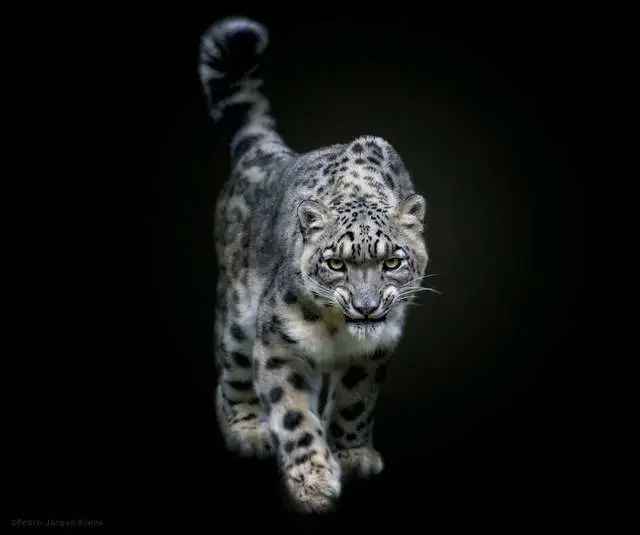
The snow leopard, known as the "ghost of the mountains," ranks among the world's most elusive big cats. Inhabiting the Himalayan range and high-altitude regions of Central Asia, they dwell at elevations between 3,000 and 5,500 meters. The extreme cold, rugged terrain, and remote location create a natural geographical barrier, keeping them largely isolated from human contact.
2 minute read
Cheetah Populations Collapse: Iconic African Species Edges Toward Extinction
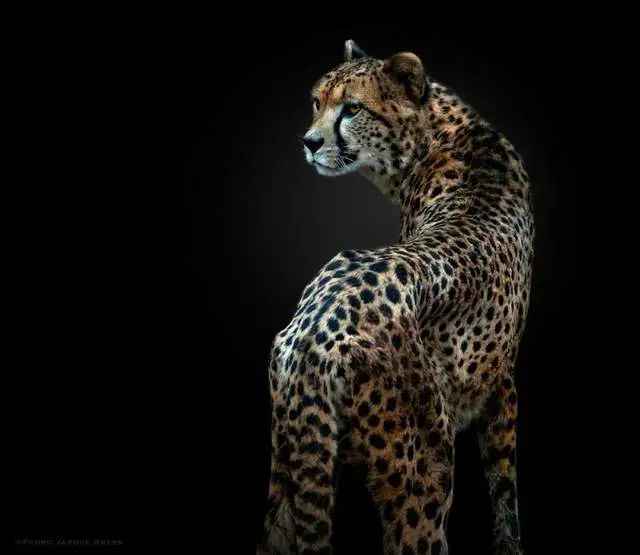
NAIROBI, Kenya — July 18, 2025 — Once numbering around 100,000 across Africa in the 20th century, the cheetah population has plummeted to a mere 7,500 individuals today, pushing the world’s fastest land animal onto an ever-growing list of species teetering on the brink of extinction. This dramatic decline underscores a crisis that threatens to erase one of Africa’s most iconic predators.
1 minute read
The Bashkir Curly Horse: Nature’s Living Mane Masterpiece Bred by Bashkir People
Hailing from the Ural Mountains of Russia, the Bashkir curly horse (Bashkirskaya Kruglaya) stands out with its most iconic trait—dense, spiral - curled fur that resembles a meticulously styled perm. Bred for centuries by the Bashkir people, this rare breed combines striking aesthetics with remarkable hardiness, thriving in the harsh climates of its native land.
2 minute read

The Watusi Cattle: Africa’s Majestic Horned Giants with Cooling Superpowers
Native to southern Africa, the Watusi cattle (also known as Ankole-Watusi) command attention with their extraordinary horns—measuring up to 2.4 meters from tip to tip when fully grown. More than just a defensive weapon, these iconic appendages house a biological marvel: a honeycomb structure that acts as a natural radiator, cooling the bloodstream before it circulates through the body.
2 minute read