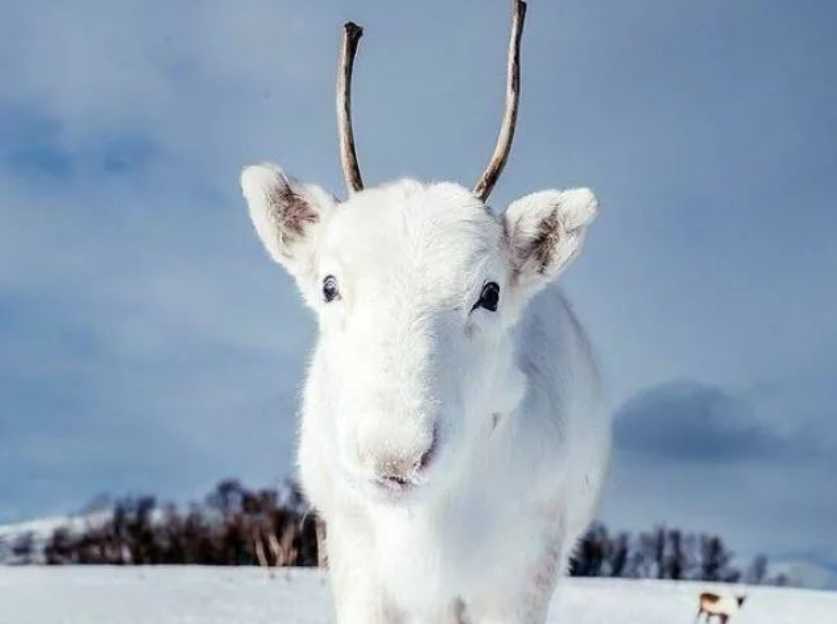
The Extremely Rare White Calf Reindeer: A Snowbound Enigma of the Arctic
Deep within the frost - blanketed tundra of northern Scandinavia and Siberia, an extraordinary sight occasionally emerges: the white calf reindeer. Unlike typical fawns with speckled brown coats, these rare individuals are born with pure white fur, a result of leucism—a genetic condition causing partial loss of pigmentation. Their ethereal appearance, resembling a living snowflake against the icy landscape, has captivated researchers and indigenous communities for generations.
1 minute read
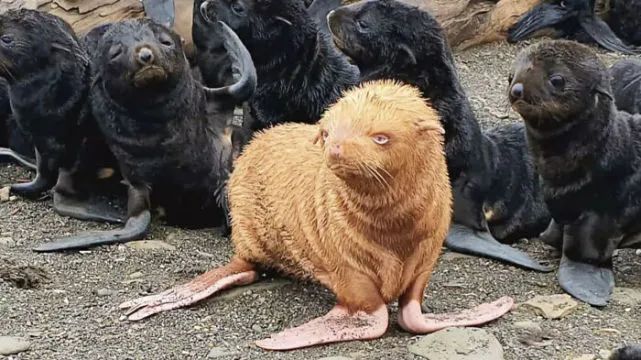
Golden Seal Pup Discovered: A Rare Glow in the Ocean’s Depths
Marine biologists along the Scottish coast were astonished to document a golden seal pup—a creature whose shimmering, amber - hued fur contrasts dramatically with the typical gray - black coats of its species. Spotted on a remote Hebridean island, the pup’s unique coloration has sparked scientific curiosity, with researchers suspecting a rare genetic variation or pigmentation anomaly.
1 minute read
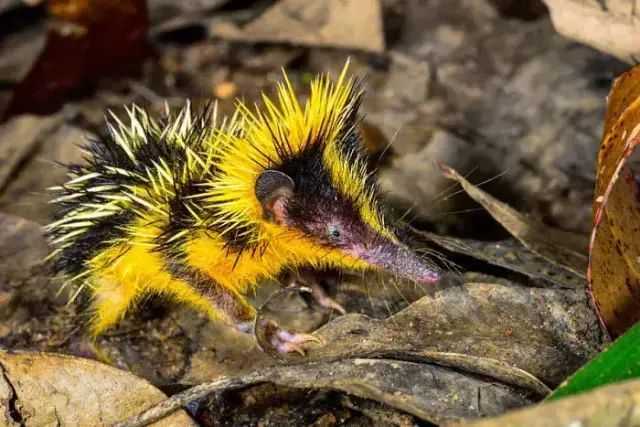
The Lowland Streaked Tenrec: Africa’s Spiky Mammal That 'Sings' by Friction
Discovered in Madagascar’s lush rainforests, the lowland streaked tenrec (Hemicentetes semispinosus) stands out as a biological oddity: a mammal covered in rigid, porcupine-like quills and the only known species to produce sound by rubbing its spines together. This small, insectivorous creature blends evolutionary innovation with a striking appearance, captivating scientists with its unique acoustic adaptation.
1 minute read
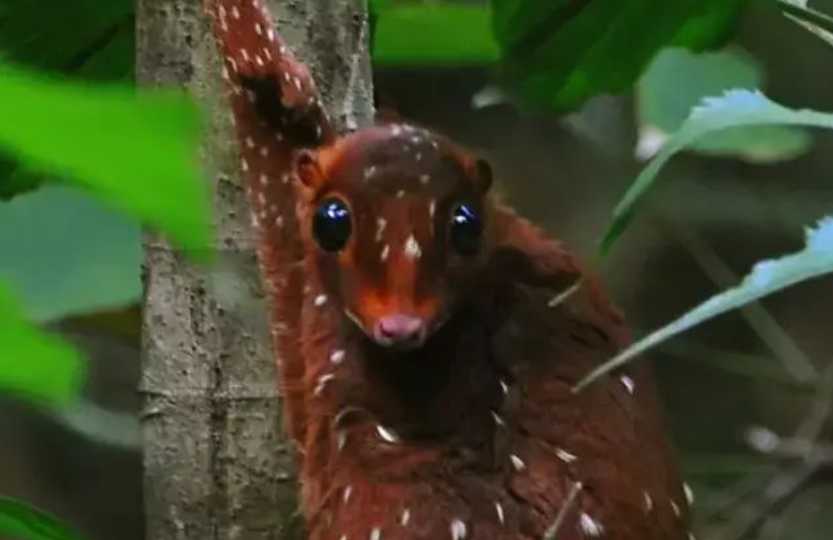
The Sunda Colugo: An Indonesian Native That's Neither a Monkey Nor a True Flyer
Native to the rainforests of Indonesia, Malaysia, and Thailand, the Sunda colugo (Galeopterus variegatus) confuses observers with its misleading name. Despite being called a "cat monkey" in some regions, this arboreal mammal belongs to the order Dermoptera—and rather than flying, it performs an astonishing glide that spans up to 100 meters between trees.
2 minute read
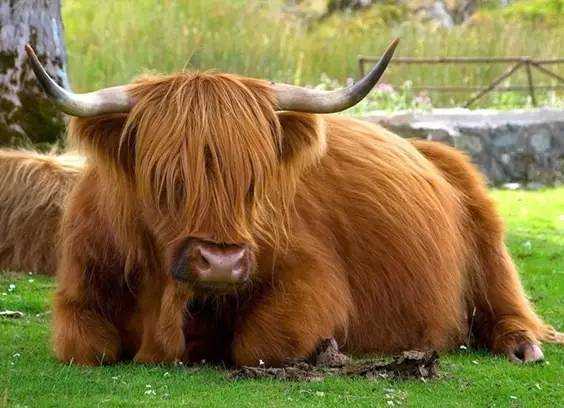
Miniature Highland Cattle: The Adorable 'Fluffy Cows' with Trendsetting Bangs
Native to the Scottish Highlands, miniature Highland cattle have skyrocketed to fame for their shaggy, over-the-eye bangs and plush, reddish-brown coats, earning them nicknames like "fluffy cows" or "nature’s hipsters." These pint-sized bovines, bred from their larger Scottish ancestors, stand just 80–100 cm at the shoulder, blending rustic hardiness with undeniable cuteness.
1 minute read
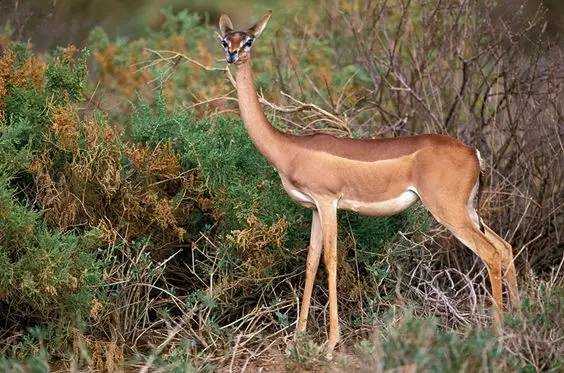
The Gerenuk: Africa’s Graceful 'Giraffe-Necked' Antelope
Native to the arid savannas and thornbush plains of East Africa, the gerenuk (Litocranius walleri), often called the "giraffe-necked antelope," stands out with its elongated neck, slender legs, and unique feeding behavior. This medium-sized antelope, found in countries like Kenya, Somalia, and Ethiopia, has evolved extraordinary adaptations to thrive in its harsh, resource-scarce habitat.
2 minute read
Adorable and Fluffy: The Angora Rabbit
The Angora rabbit is a well - known and beloved domestic rabbit variety. Originating from what is now Ankara, Turkey, it has a long history of being bred for its soft and luxurious wool. It became popular among French royalty in the 18th century and later spread across Europe and to the United States
1 minute read

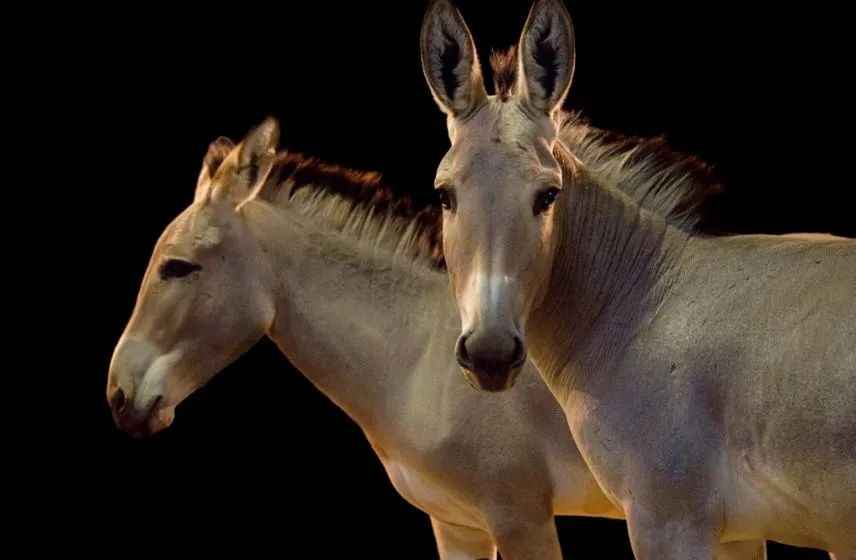
Somali Wild Ass: East Africa’s Critically Endangered "Living Fossil" Faces Extinction Crisis
In the arid semi-deserts of the Horn of Africa lives an elegant and resilient creature—the Somali wild ass (Equus africanus somaliensis). As one of the wild ancestors of modern domestic donkeys, they once thrived in the dry grasslands and hills of Ethiopia, Eritrea, and Somalia. However, a combination of climate change, habitat loss, and human activities is pushing this species to the brink of extinction.
2 minute read
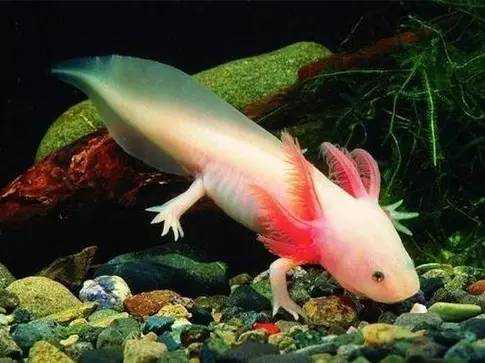
The Axolotl: Mexico’s Remarkable 'Walking Fish' and Genetic Marvel
Native to the freshwater lakes of Mexico City, the axolotl (Ambystoma mexicanum) is a salamander unlike any other—renowned for its permanent larval form, vibrant pinkish hue, and extraordinary regenerative abilities. Often called the "walking fish" due to its aquatic lifestyle, this critically endangered species has captivated scientists for centuries, serving as a key model in developmental biology.
2 minute read
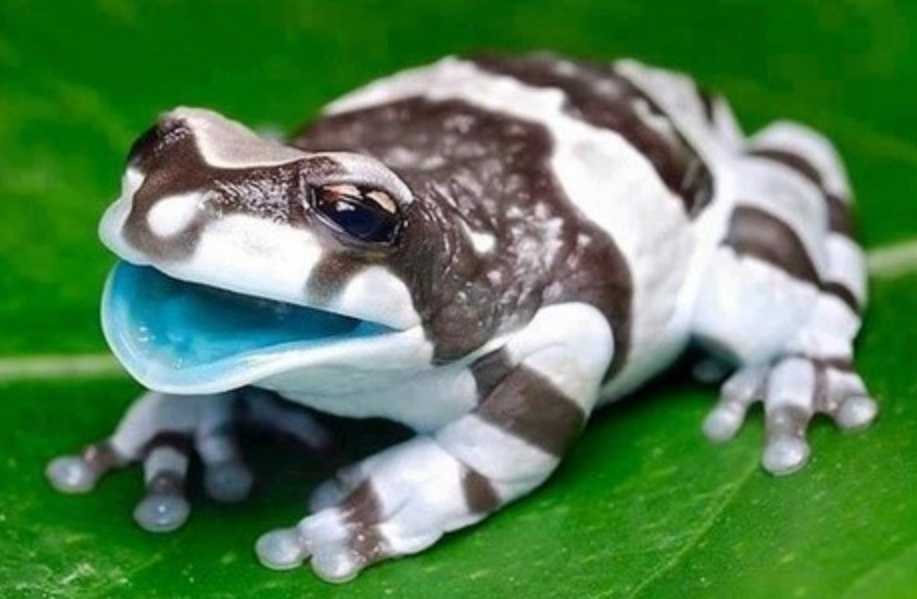
The Amazon Milk Tree Frog: Nature’s Vibrant Green Amphibian with a Milky Defense
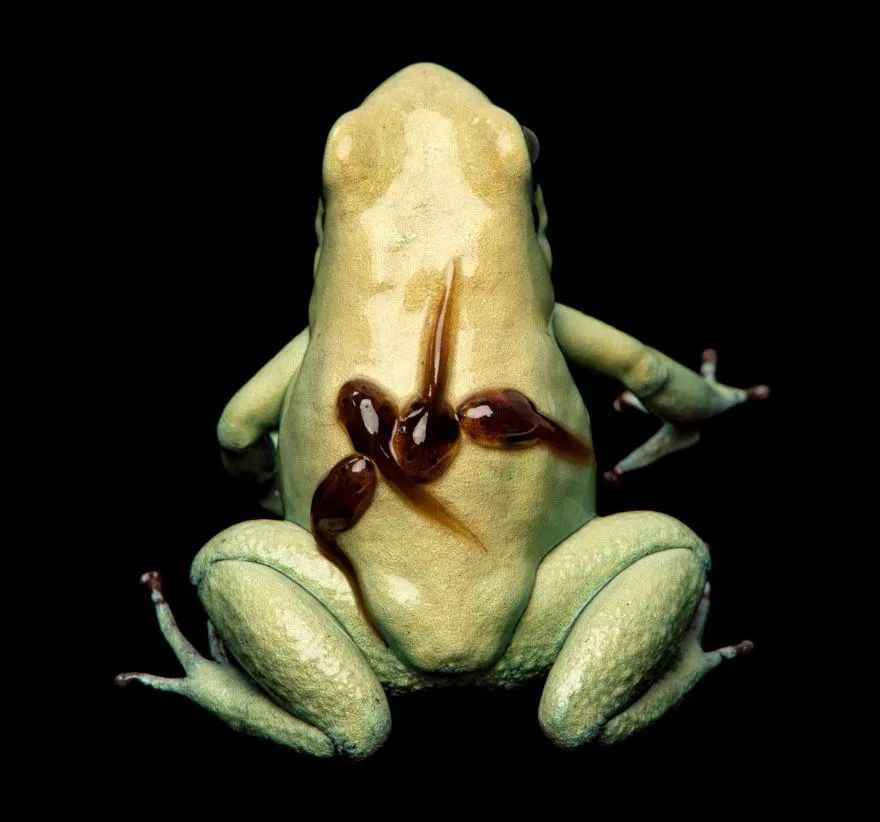
Native to the rainforests of northern South America, the Amazon milk tree frog (Trachycephalus resinifictrix) is a striking amphibian renowned for its vivid coloration and unique defensive adaptation. Found in the canopy of tropical forests from Venezuela to Brazil, this arboreal frog has captivated herpetologists with its bold appearance and the milky-white toxin it secretes when threatened.
2 minute read
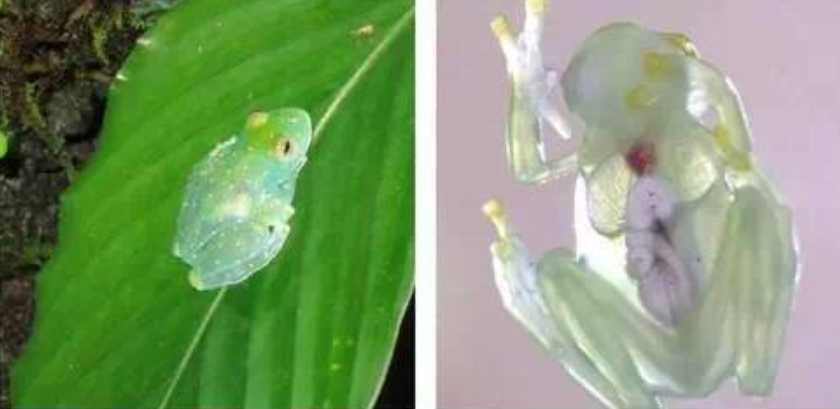
The Glass Frog: Nature’s Transparent Amphibian with a Window to Its Inner World
Native to the cloud forests of Central and South America, the glass frog (family Centrolenidae) is a remarkable amphibian celebrated for its most unique trait—transparent skin on its belly, allowing observers to see its beating heart, intestines, and even eggs. This evolutionary marvel has captivated biologists, offering a rare glimpse into the inner workings of a living animal.
2 minute read
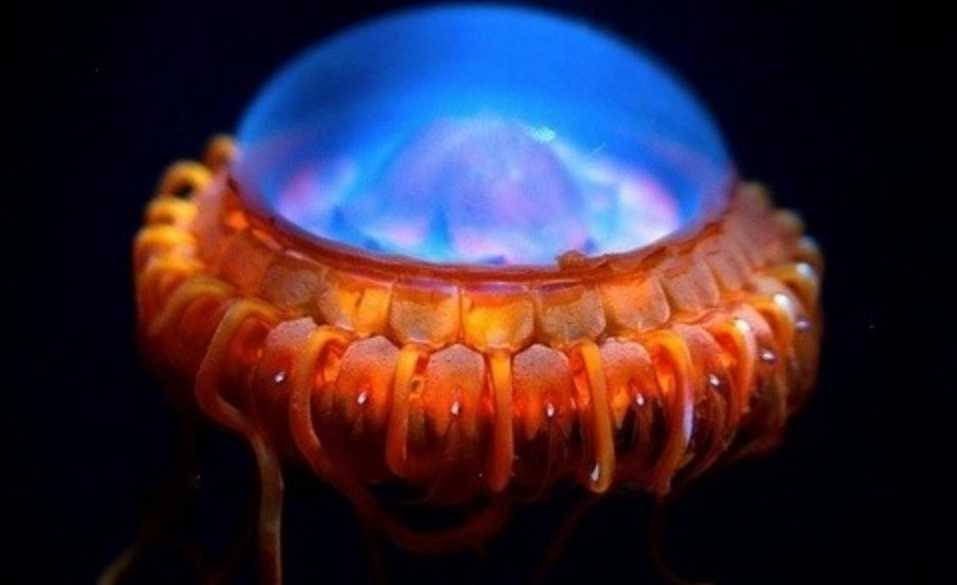
The Alarm Jellyfish: Ocean’s Bioluminescent Sentinel with a Flashing Defense Mechanism
The alarm jellyfish, scientifically known as Atolla wyvillei, is a deep-sea marvel renowned for its spectacular bioluminescent display—a natural defense strategy that earned it the nickname "alarm bell of the ocean." Found in mesopelagic and bathypelagic zones worldwide, this gelatinous creature has evolved a unique way to survive in the dark abyss by turning predation threats into the ultimate warning signal.
1 minute read
Glowing Green Sea Slug with Bioluminescent Defense Discovered in Tropical Reefs
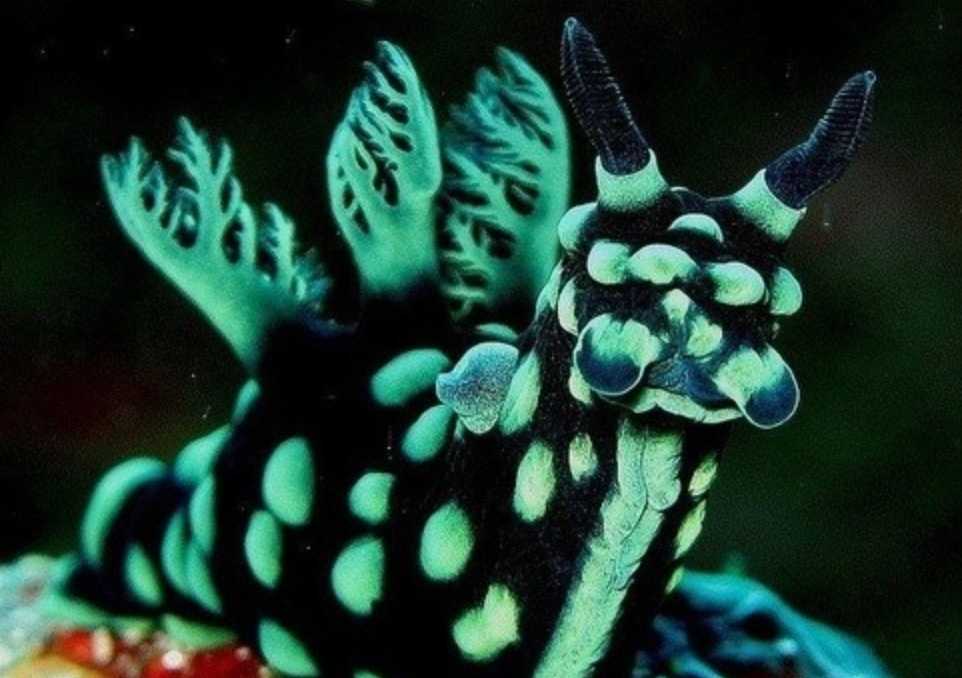
A striking new species of sea slug, Nembrotha cristata, has been documented in the coral reefs of the Indian and western Pacific Oceans, captivating marine biologists with its vivid coloration and unique survival tactics. Measuring up to 50 millimeters, this nudibranch mollusk features a vibrant green body dotted with bioluminescent spots and a distinctive crest-like ridge along its back, earning it the nickname "crest-shaped sea slug" . Its most remarkable adaptation is the ability to store stinging cells (nematocysts) from its jellyfish prey
1 minute read
Deadly Beauty: The Endangered Plight of the Golden Poison Frog
In the rainforests along Colombia’s Pacific coast resides a creature barely 5 centimeters long yet feared by all—Phyllobates terribilis, known as the golden poison frog. Cloaked in vivid orange or gold, this small amphibian ranks among the most toxic organisms on Earth. Its brilliant hue is no mere adornment, but nature’s blunt warning: keep away.
1 minute read
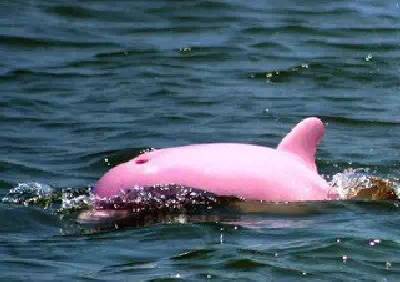
The Pink Bottlenose Dolphin: Nature’s Rare Blush-Hued Marine Marvel
A rare and captivating variant of the common bottlenose dolphin (Tursiops truncatus), the pink bottlenose dolphin has fascinated marine biologists and enthusiasts with its striking rosy hue. Spotted in coastal waters from the Gulf of Mexico to Southeast Asia, this genetic anomaly stands out not only for its color but also for the mysteries surrounding its unique pigmentation.
1 minute read